Wildflower Gardens
Wild about bees and other wildlife?
Now could be the perfect time to convert part (or all!) of a lawn or border into an area of wildflowers, creating a haven for bees, butterflies, and other pollinators. Birds, frogs, and newts will also benefit from the food source and shelter it provides.
You don’t need a huge area — even a small patch can make a big difference.
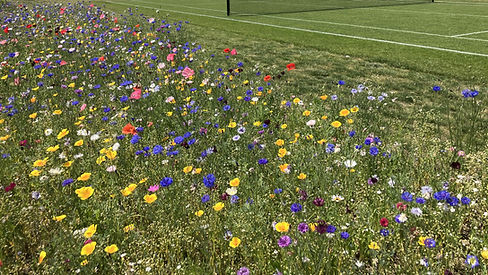
My own wildflower area is only around 6m x 1.5m (9m²), yet it bursts into colour and life through the summer months.
Converting Lawn into a
Wildflower Area:
Here’s the procedure I recommend for turning established lawn into a thriving wildflower patch:
-
Prepare the Area
Start by removing or killing off the section of lawn you plan to convert — either by spraying or lifting the turf. This is important, as most wildflowers can’t compete with existing grass. -
Scarify and Create a Seedbed
Once cleared, scarify the area to remove dead material and lightly rough up the soil surface. This creates the ideal seedbed for your wildflower seeds. -
Choose Your Seed Mix
Pick a mix suited to your soil and growing conditions. A combination of annuals and perennials often works best — giving you colour in the first year and sustainable growth in the following seasons. -
Sow the Seeds
Sow your wildflower seeds in spring or late summer/autumn, when soil conditions are mild and moisture is available. -
Aftercare
Keep the area watered until established, then sit back and let nature take over! Minimal maintenance is needed — just an annual cut and tidy after flowering.
Why It’s Worth It
A wildflower garden not only brings natural beauty to your space but also plays a small part in supporting biodiversity.
You’ll enjoy colourful blooms, the hum of bees, and the satisfaction of knowing you’ve created a sanctuary for wildlife.